Julie Dorney testified for the defense as a forensic psychiatrist, diagnosing Timothy Ray Jones, Jr. with schizo-affective disorder and offering criminal-responsibility opinions. Cross-examination tested the basis and limits of those opinions; on redirect, she maintained that Jones was legally insane at the relevant time.
Expert witness
Julie Dorney
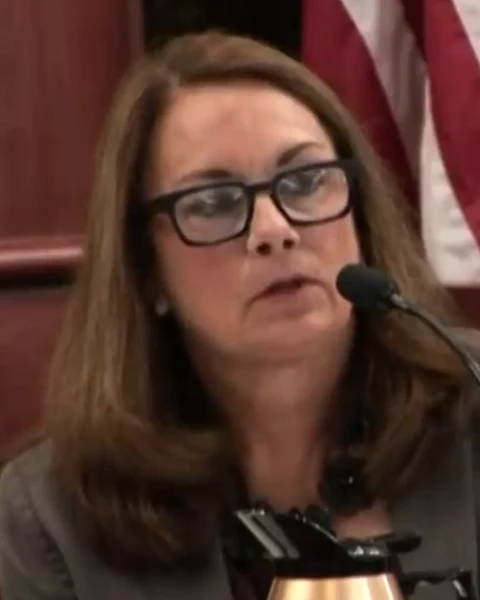
Forensic psychiatrist who treated patients and had worked as an evaluator for Georgia's forensic hospital unit.
Appeared2019 Murder Trial
554 lines·12 proceedings·8 mentions
About
Julie Dorney testified for the defense on Day 23 as a forensic psychiatrist. After the court qualified her as an expert, she described her evaluation of Timothy Ray Jones, Jr., records she reviewed, reported psychiatric and mood symptoms, substance use, and head injury. She diagnosed schizo-affective disorder and offered criminal-responsibility opinions concerning the deaths.
On cross-examination, the prosecution challenged the basis for those opinions. The questioning addressed self-reported information, whether individual incidents amounted to fixed delusions, the limits of psychiatric and cognitive testing, other diagnostic material, possible malingering information, substance use, and conduct after the deaths. Dorney acknowledged limits in some individual incidents and timing questions, but maintained that the evidence showed a broader pattern of diagnosable illness.
Dorney also said symptom-validity results could raise questions but did not alter her opinion because Jones was not actively reporting symptoms when tested. She testified that spice exacerbated symptoms without solely causing them, and she distinguished her capacity assessment at the relevant time from later conduct and remorse.
On redirect, Dorney explained that she found no support for a claim that the children were killed to prevent them from going to Amber. She described Jones's reported beliefs about Nahtahn and the other children and stated her opinion that Jones was legally insane at the relevant time.
Key Points
The court qualified Dorney as an expert in forensic psychiatry, and she diagnosed Jones with schizo-affective disorder after discussing her evaluation, reported symptoms, and records reviewed. [1]
Cross-examination tested whether self-reports, isolated beliefs, psychiatric testing, substance use, and later conduct supported or undercut her diagnosis and capacity opinions. [1][2]
On redirect, Dorney clarified that her responsibility assessment focused on the relevant time and stated her opinion that Jones was legally insane then. [1]
Trial Record (12)
No proceedings match this filter.