Cross-examined defense neuroradiologist Dr. Travis Snyder on the limits of MRI findings and on the distinction between traumatic-brain-injury evidence and an opinion about causation. [1]
Prosecution· Prosecution
Shawn Graham
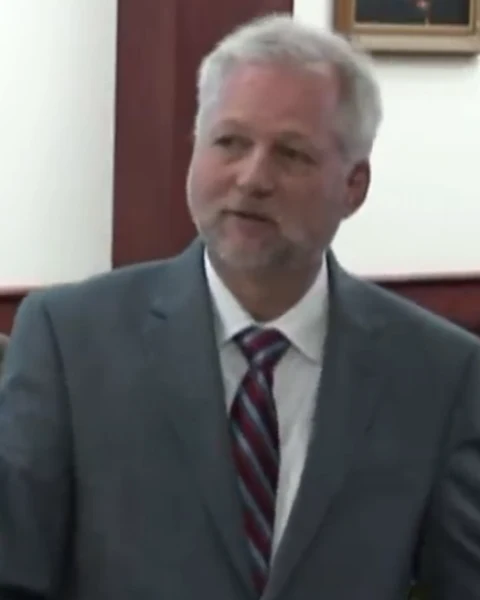
Deputy solicitor who represented the State of South Carolina in the 2019 Jones trial.
Appeared2019 Murder Trial
3,240 lines·76 proceedings
About
Shawn Graham served as a Deputy Solicitor for the prosecution and conducted examinations during jury selection and the presentation of evidence.
On Day 11, Graham cross-examined defense neuroradiologist Dr. Travis Snyder about the limits of MRI evidence. Snyder agreed that imaging could not, without clinical correlation, diagnose schizophrenia or schizoaffective disorder; he also could not determine when particular findings arose or assess Jones's actual functioning. Snyder maintained that the MRI showed traumatic brain injury and that related symptoms were possible, but did not offer an opinion that the injury caused the deaths. The court sustained objections that restricted questions about medication effects and school-performance records as outside Snyder's expertise.
Graham also cross-examined court-appointed forensic psychiatrist Dr. Richard Frierson about his evaluation and the information underlying his opinions. Frierson described the reported voices as anxious thoughts rather than persistent auditory hallucinations, diagnosed resolved substance-induced psychosis associated with spice use, and did not find support for schizophrenia or significant cognitive impairment. He also connected reported conduct after the deaths to his opinions about legal and moral wrongfulness and capacity to conform conduct to law. State's Exhibits 204 and 205 were admitted.
In his examination of forensic psychiatrist Dr. Julie Dorney, Graham questioned the factual and diagnostic basis for her opinions, including self-reported symptoms, records, psychiatric testing, other diagnoses, and substance use. He later focused on symptom-validity results, the distinction between delusions and beliefs, and conduct after the deaths. Dorney maintained her opinions while acknowledging limits on individual incidents and timing questions; she also acknowledged legal wrongfulness as to four children and described later remorse as reflecting moral awareness. During a break, the court directed the parties to avoid legal issues after Dorney referred to asking for an attorney, ruled that the response had not opened the door to an earlier interview, and considered a correction to an earlier characterization of cocaine evidence.
Key Points
Graham questioned whether MRI evidence could diagnose schizophrenia or schizoaffective disorder, date particular findings, or show Jones's actual functioning. [1]
Graham examined Dr. Richard Frierson about competing psychiatric explanations and Frierson's opinion that the reported voices were anxious thoughts rather than persistent auditory hallucinations. [1]
Graham pressed Dr. Julie Dorney to distinguish delusions from beliefs and to reconcile her opinions with evidence of later conduct and remorse. [1][2]
Attorney insights (5)
2019 Murder Trial32
Cross-examined court-appointed forensic psychiatrist Dr. Richard Frierson about his evaluation, the materials he reviewed, psychiatric diagnoses, and his opinions concerning wrongfulness and capacity. [1]
Cross-examined forensic psychiatrist Dr. Julie Dorney on the foundation for her diagnosis, symptom evidence, substance use, and her criminal-responsibility opinions. [1][2]
Graham challenged the scope of Dr. Travis Snyder's MRI opinions, including whether imaging could diagnose psychiatric conditions, establish timing, or assess Timothy Ray Jones, Jr.'s functioning. [1]
Graham questioned the self-reported and documentary basis for Dr. Julie Dorney's diagnosis, alternative explanations for symptoms, symptom-validity testing, and the relationship between her capacity analysis and conduct after the deaths. [1][2]
Trial Record (76)
Shawn Graham, a Deputy Solicitor for the prosecution, cross-examined defense and court-appointed mental-health experts about the factual basis, limits, and implications of their opinions concerning Timothy Ray Jones, Jr.
Jury Selection Day 3
Jury Selection Day 4
Jury Selection Day 5
Jury Selection Day 6
Jury Selection Day 7
Jury Selection Day 8
Jury Selection Day 9
Jury Selection Day 10
Day 11
Day 12
Day 13
Day 14
Day 15
Day 16
Day 17
Day 18
Day 19
Day 20
Day 21
Day 22
Day 23
Day 25
Day 27
Day 28
Day 29
Day 31
Day 32
No proceedings match this filter.