Kimberly Fender testified for the defense about counseling she provided to Elias and Merah in late 2012 and early 2013, after the court heard disputes over the proposed testimony's admissibility. Cross-examination established that her contact ended in January 2013 and did not extend to later disclosures.
Witness
Kimberly Fender
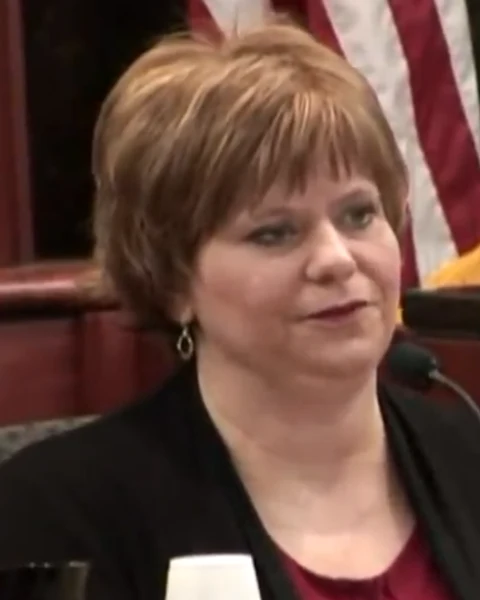
Therapist at Columbia Counseling Center who met with Elias Jones in 2012.
Appeared2019 Murder Trial
66 lines·7 proceedings·3 mentions
About
Kimberly Fender, a counselor who had worked with Elias and Merah in late 2012 and early 2013, testified for the defense on Day 20. Before her testimony, the parties disputed whether the children's counseling statements could be heard. The defense argued the testimony supported its position that Jones believed the children had been abandoned; the State objected on relevance, hearsay, and statutory-protection grounds.
The court did not make a final admissibility ruling at that point and directed the defense to call Fender. In a proffer, she described intake forms and counseling notes reflecting concerns about grief, being left alone, and discipline, including statements attributed to the children about their mother leaving them alone. She also said she did not report Jones to DSS and had not seen anything she believed warranted a report.
On cross-examination, Fender confirmed that her counseling work ended in January 2013. She had no later contact with the children and was unaware of later disclosures to school counselors concerning physical abuse or a wish to live with their mother. She later gave direct testimony identifying her employment at Columbia Counseling Center and her counseling work with Elias and Merah, and again confirmed the January 2013 endpoint on cross-examination.
Key Points
The defense offered Fender's counseling testimony to support its position that Jones believed the children had been abandoned; the State raised relevance, hearsay, and statutory-protection objections. [1]
During the proffer, Fender described 2012 and 2013 counseling records reflecting concerns about grief, being left alone, and discipline, and said she saw nothing that she believed required a DSS report. [1]
The State established that Fender's last meeting with the children was in January 2013, limiting her knowledge of later events. [1][2]
Trial Record (7)
No proceedings match this filter.