Kimberly Kruse testified as a qualified neuropsychology expert on Day 24 about her evaluation and testing of Timothy Ray Jones, Jr. Her opinions did not support clinically significant neurocognitive impairment or psychosis and included malingering-related findings.
Expert witness
Kimberly Kruse
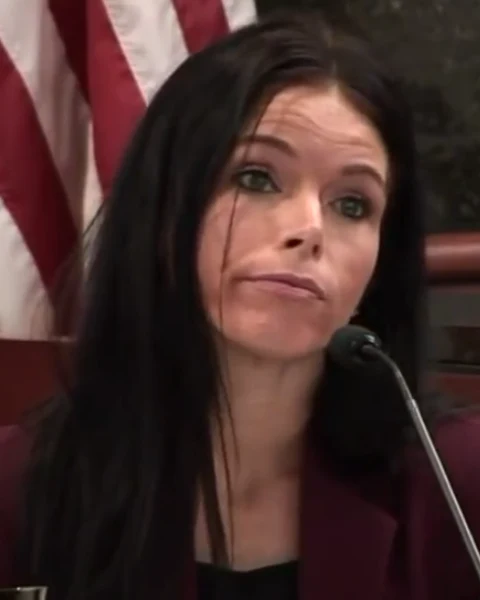
Clinical neuropsychologist who worked as chief neuropsychologist at Prisma Health.
Appeared2019 Murder Trial
282 lines·21 proceedings·17 mentions
About
Kimberly Kruse testified on Day 24 after the court qualified her as an expert in neuropsychology. She described an evaluation of Timothy Ray Jones, Jr. conducted for Dr. Richard Frierson and explained the effort, validity, cognitive, symptom-validity, and personality testing she used.
Kruse testified that her results did not support a neurocognitive disorder or an organic psychosis. She attributed differences from Dr. Tora Brawley's earlier testing to Geodon-related slowing and depression, and described an unspecified personality disorder with primarily antisocial and borderline traits.
Her testimony included findings she considered consistent with unreliable symptom reporting and malingering, including results from measures directed at reported psychotic symptoms. On redirect, she reaffirmed those opinions and said multiple measures were consistent. On recross, the defense elicited that the SIMS total score was 12, below the stated cutoff of 16, while Kruse maintained that one domain showed exaggerated psychotic symptoms. The court declined further follow-up and excused her.
Key Points
Kruse testified that her testing did not support a neurocognitive disorder or psychosis, despite a history of traumatic brain injury. [1]
She explained that effort and validity testing informed whether later cognitive-test results could be treated as valid, and described findings she considered consistent with malingering. [1]
Kruse attributed differences from Dr. Brawley's earlier testing to Geodon-related slowing and depression. [1]
Recross addressed the SIMS total score, which the defense identified as below the stated cutoff for malingering. [1]
Trial Record (21)
No proceedings match this filter.