Deborah Grey, a defense social-work expert, presented a biopsychosocial social history of Timothy Ray Jones, Jr. and his family background. The prosecution cross-examined her about corroboration, the limits of her investigation, and the choices described in her account.
Expert witness
Deborah Grey
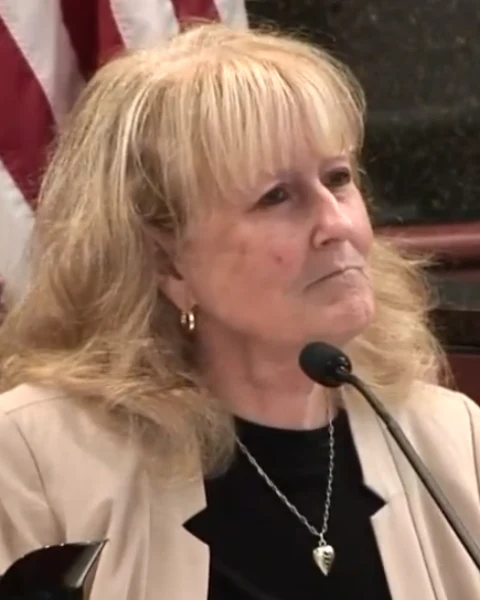
Social worker and social-history researcher with experience in psychiatric and legal settings.
Appeared2019 Murder Trial
450 lines·14 proceedings·7 mentions
About
Deborah Grey testified for the defense as a licensed clinical social worker qualified as an expert in biopsychosocial history. In a proffer outside the jury's presence on Day 29, she explained her method of comparing interviews, family information, and documents, and used a family genogram to organize the proposed social-history presentation.
During direct examination on Day 30, Grey described reported and record-based family history, early care, childhood instability, violence, substance use, isolation, mental-health concerns, injuries, later substance use, treatment, Navy service, incarceration, and family experiences. Her testimony was offered as social-history mitigation evidence concerning Jones's background. The court admitted the genogram as Defense Exhibit 362 and allowed condensed demonstratives for display, while limiting some detailed testimony and directing counsel to move on from other expert material.
On Day 31, the prosecution cross-examined Grey about her compensation, defense-retained role, source materials, and the extent to which reported abuse and mental-health-related experiences could be corroborated. Grey acknowledged that some information could not be corroborated and that she could not determine Jones's reliability about it. The questioning also addressed choices in education, treatment, medication, and substance use, and Grey agreed that Jones's actions caused lasting pain and that he chose to murder his five children.
On redirect, Grey briefly explained that abuse patterns in a family could be intergenerational. After she stepped down, the court heard argument on other proposed mitigation evidence and excluded a video of Cynthia Turner.
Key Points
Grey presented a biopsychosocial social history using interviews, records, and a genogram to organize documented and reported family information. [1][2]
The court allowed general developmental testimony while limiting graphic detail and further quotation of another expert's testimony. [1][2]
The prosecution tested the foundation of Grey's mitigation account by distinguishing documented information from uncorroborated reports and questioning the choices she attributed to Jones. [1]
On redirect, Grey described family abuse patterns as potentially intergenerational. [1]
Trial Record (14)
No proceedings match this filter.